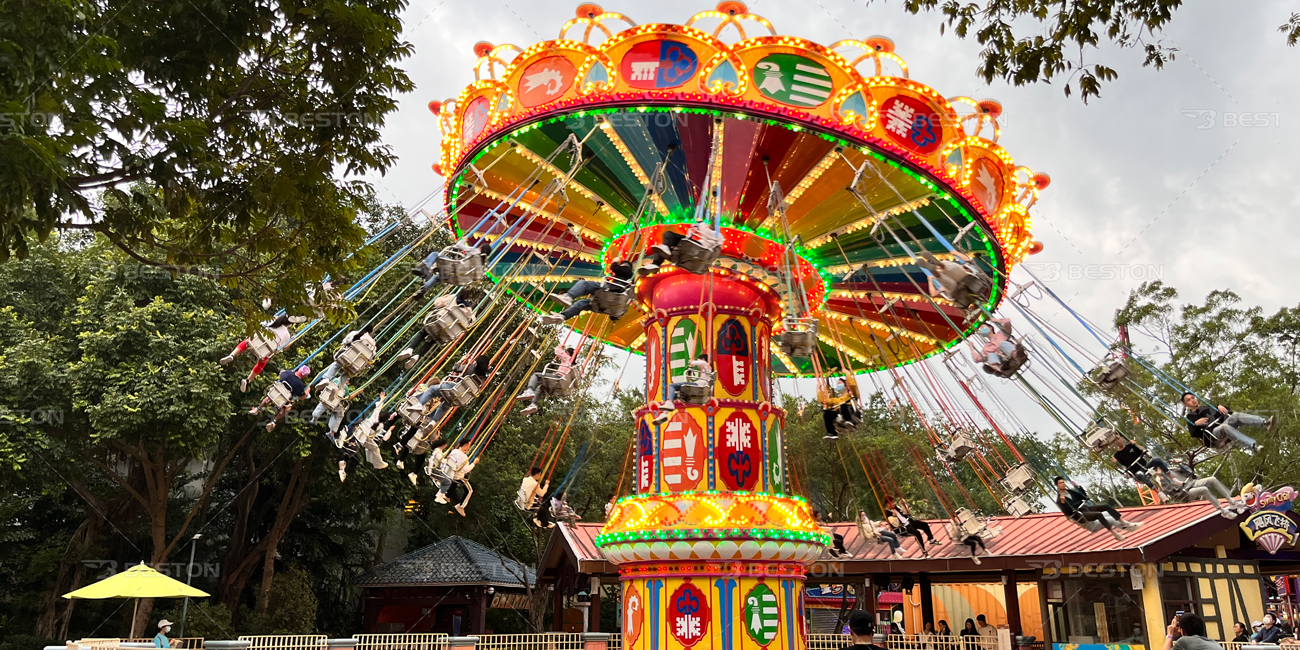
Maintaining amusement rides is crucial for ensuring safety, enhancing guest experience, and extending the lifespan of the equipment. Regular maintenance helps prevent accidents, ensures smooth operations, minimizes downtime, and maximizes revenue. Here are 10 essential tips for keeping your amusement rides in top condition.

1. Create a Maintenance Schedule
A well-organized maintenance schedule is the foundation of effective maintenance. Include daily, weekly, monthly, and annual inspections based on the type of ride and its usage. High-intensity rides like roller coaster needs more frequent checks than slower, family-friendly amusement rides. Always follow the manufacturer's recommendations and safety standards.

2. Daily System Inspections Before Operation
Before the park opens, perform daily inspections. Check:
- Structural Integrity: Look for signs of wear, rust, or damage, especially on metal parts.
- Electrical Systems: Ensure control systems, lighting, and power supplies work properly.
- Hydraulic Systems: If applicable, verify that these systems are operational.
3. Daily Component Cleaning
Regular cleaning prevents dirt and debris buildup that can cause wear and corrosion. Especially focus on high-wear areas like chains, belts, and wheels. Make sure cleaning doesn’t interfere with ride functionality, and follow amusement park ride manufacturer guidelines.
4. Lubricate Moving Parts
Lubrication reduces friction and wear on moving parts. Components like gears, chains, and bearings need regular lubrication to keep running smoothly. Use recommended lubricants and apply them as instructed. Avoid over-lubricating to prevent dust and dirt build up.
5. Check Ride Control Systems
Amusement rides rely on advanced control systems for speed, timing, and safety. Regularly test these systems, including sensors, motors, and computerized components. Perform software updates and backups to avoid malfunctions during operation.
6. Inspect Ride Seats and Restraints
Seats and restraints are vital for safety. Ensure seats are secure, and restraints work properly. Check seat belts, lap bars, and safety harnesses for wear or damage. Remove the ride from operation immediately if any safety equipment is compromised.
7. Monitor Ride Operating Condition
During operation, monitor rides for unusual noises, vibrations, or movements. Train staff to identify issues like uneven speeds or rough movements, which could indicate mechanical problems. Early detection helps prevent major malfunctions.
8. Replace Worn Parts
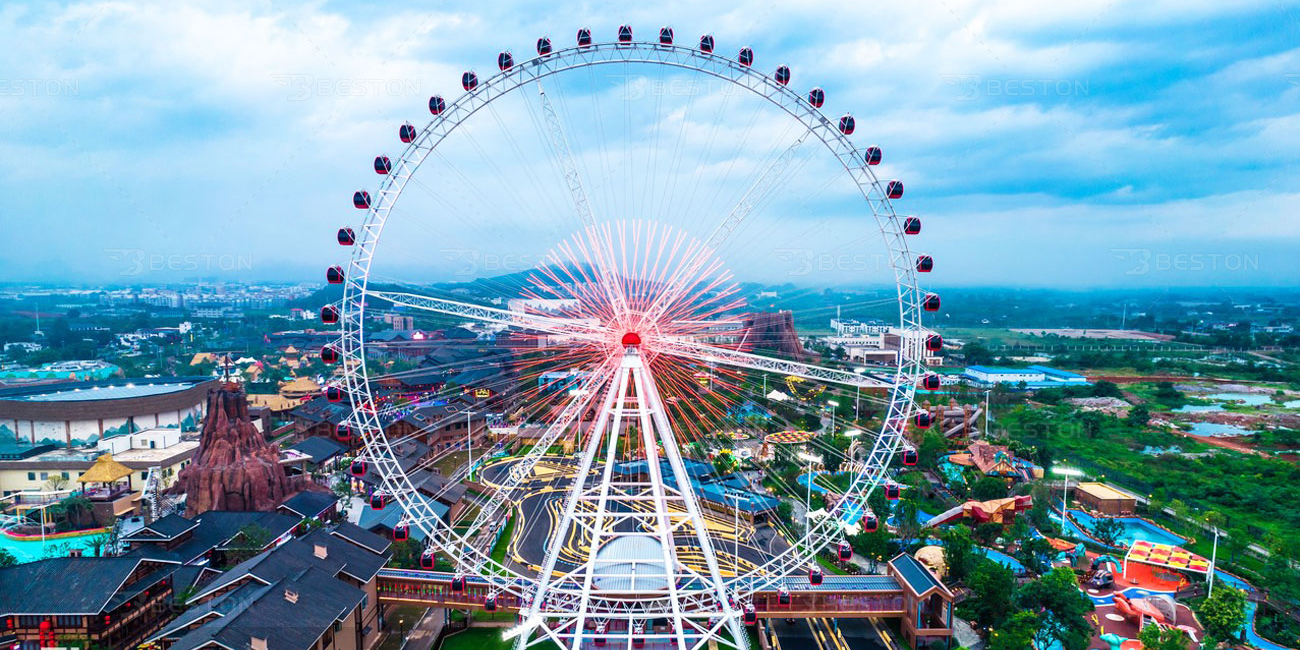
Over time, parts naturally wear out. Replace components like bearings, chains, and safety harnesses as needed. If any part shows excessive wear or damage, repair or replace it immediately to avoid failure.
9. Keep Spare Parts On-Hand
To minimize downtime, stock critical spare parts like belts, motors, sensors, and restraint systems. Having these on hand allows for quick repairs and ensures rides are operational with minimal disruption.
10. Conduct Annual Inspections
In addition to daily and weekly checks, conduct in-depth annual inspections. These should include a full review of mechanical, electrical, and safety systems. Hire professional engineers to ensure compliance with regulations and safety standards.
Conclusion
Routine maintenance is essential for the safety and efficiency of amusement rides. By creating a consistent maintenance schedule, performing daily checks, and addressing worn-out parts quickly, you can ensure your rides remain safe, enjoyable, and efficient for years. Proper maintenance reduces downtime, improves ride performance, and enhances guest satisfaction.