
When you think of a Ferris wheel, what comes to mind? A gentle spin over a city skyline? A sparkling landmark lit up at night? Or perhaps an engineering marvel towering above everything around it? Ferris wheels are far more than just amusement park rides—they are icons of design, feats of structural engineering, and magnets for tourists around the world. In this article, we’ll uncover the must-know types of Ferris wheels, break down their structural and operational differences, and take you on a global tour of the top 10 Ferris wheels that define the skyline of their cities.
Main Types of Ferris Wheel
1. By Support Type

Hub-and-Spoke Ferris Wheel
This is the most common type of Ferris wheel, consisting of a central axle, spokes, and a rim, typically supported by steel structural supports on both sides or at multiple points. Its structure is mature, and its manufacturing and maintenance costs are relatively controllable, making it suitable for long-term, high-frequency operation.
- Examples: Tianjin Eye (Tianjin, China)
Cantilever Ferris Wheel
This type has only one side support structure, with the entire wheel suspended on a single-sided steel frame, requiring high precision in structural design and construction. It has a strong visual impact, clearly defining its status as an urban landmark, and is often used in core urban landscape areas.
- Examples: Sky Ring (Shanghai, China)

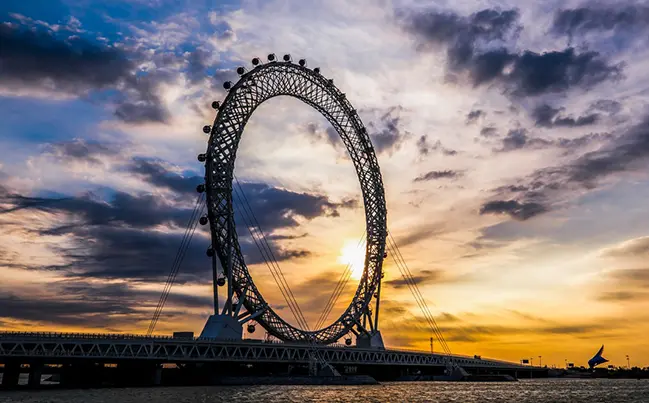
Centerless Ferris Wheel
The wheel has no traditional central axis; the cabin runs along the rim and is typically supported by an outer steel structure, cable structure, or bridge. Its novel design and high engineering difficulty make it suitable as an iconic sightseeing attraction.
- Examples: Bailang River Bridge Ferris Wheel (Shandong, China)
2. By Wheel Structure
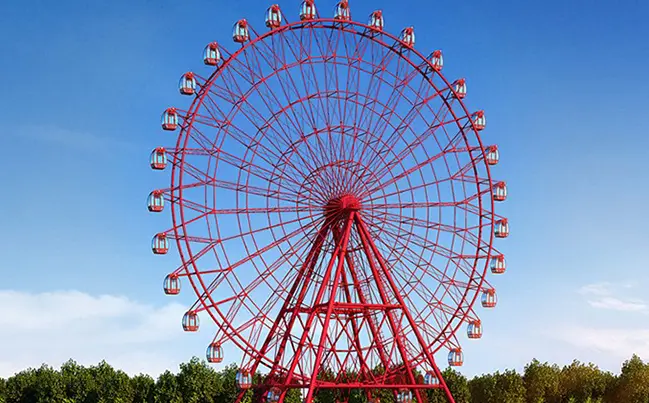
Truss-type Ferris Wheel
The wheel body adopts a truss steel structure, which has high overall rigidity and good wind resistance, making it suitable for medium and large-sized Ferris wheels. This type is widely used in traditional Ferris wheels, has high structural safety, and is suitable for long-term outdoor use.
- Star of Nanchang (Nanchang, China)
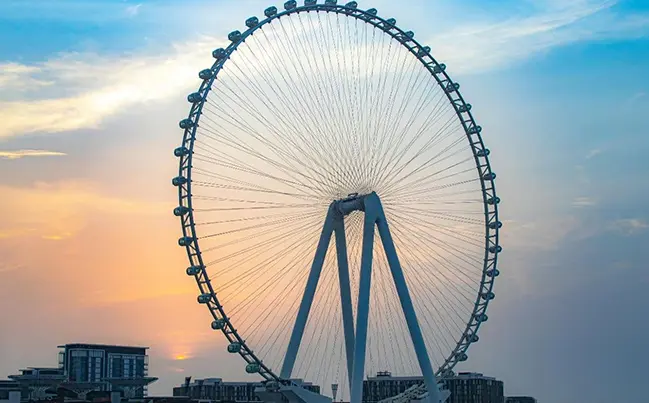
Cable-supported Ferris Wheel
Using steel cables as the main load-bearing structure reduces the amount of steel used, making the wheel lighter. It has a modern appearance, but requires high standards in design and construction, and is currently mostly used in high-end or customized projects.
- Examples: Ain Dubai (Dubai)
Top 10 Highest Ferris Wheel in The World
No.1 Ain Dubai
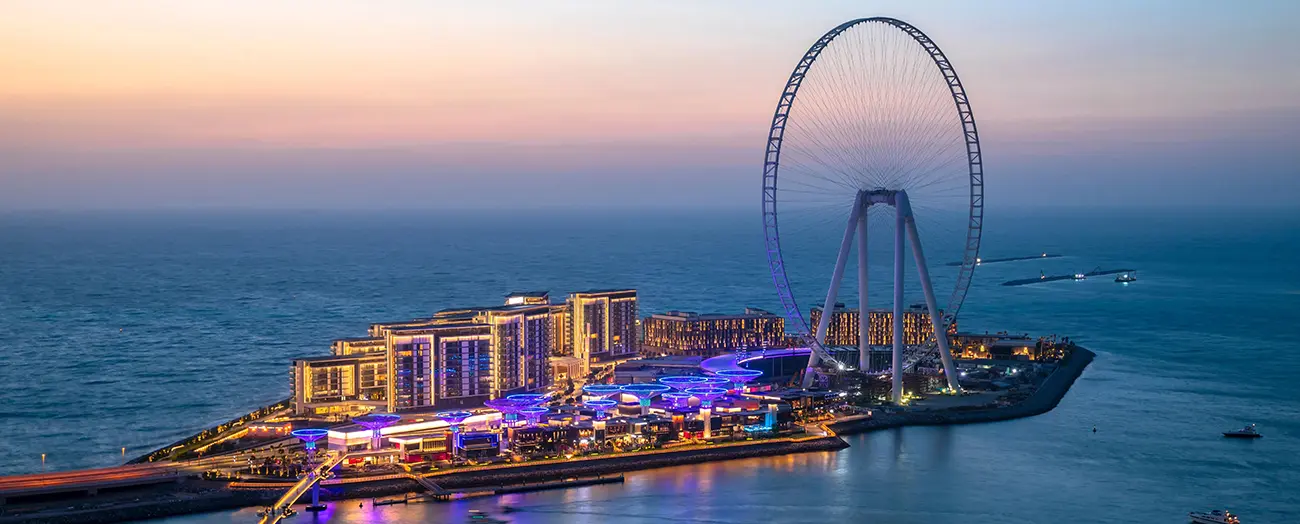
- Location: Dubai, United Arab Emirates
- Opening date: October 21, 2021
- Seating Capacity: 1750 persons
- Height: 250m
No.2 High Roller
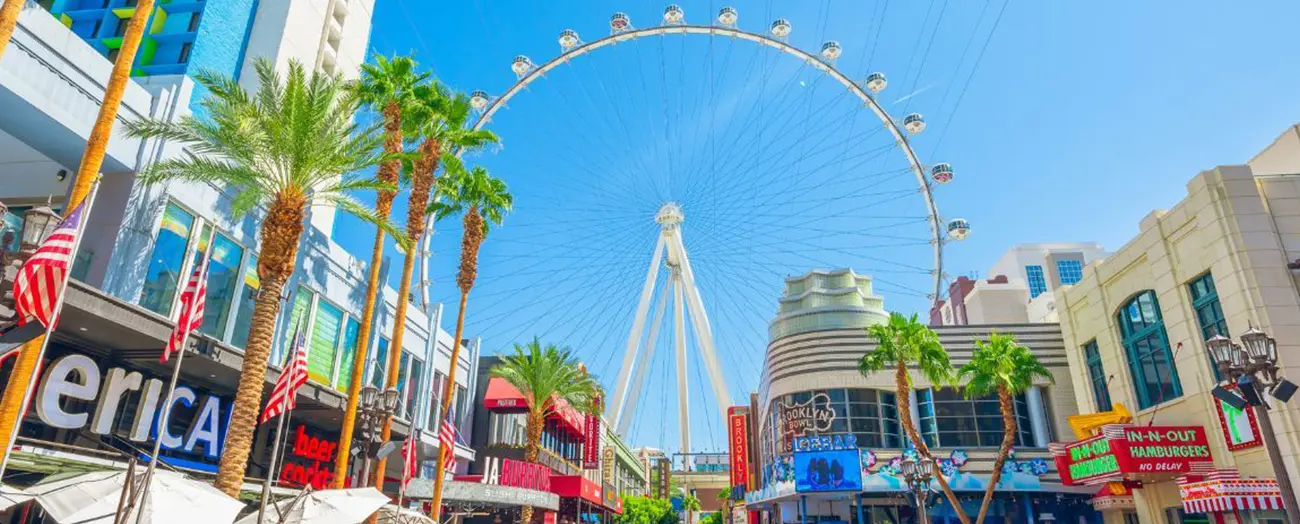
- Location: Las Vegas, Nevada, USA
- Opening date: March 31, 2014
- Seating Capacity: 1120 persons
- Height: 168 m
No.3 Singapore Flyer
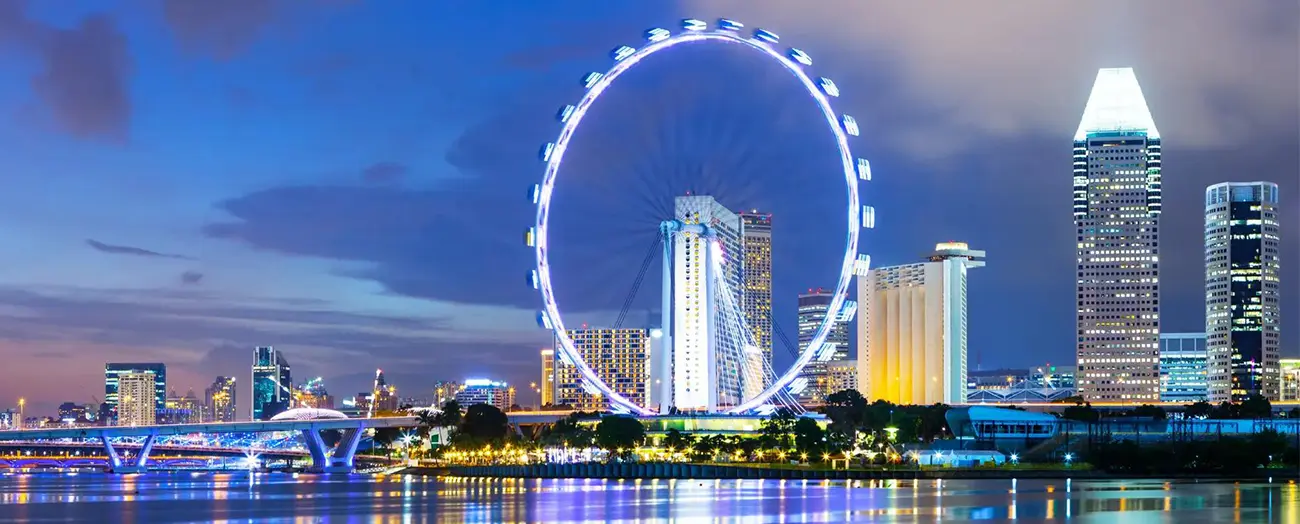
- Location: Marina Central, Singapore
- Opening date: April 18, 2008
- Seating Capacity: 784 persons
- Height: 165 m
No.4 Star of Nanchang
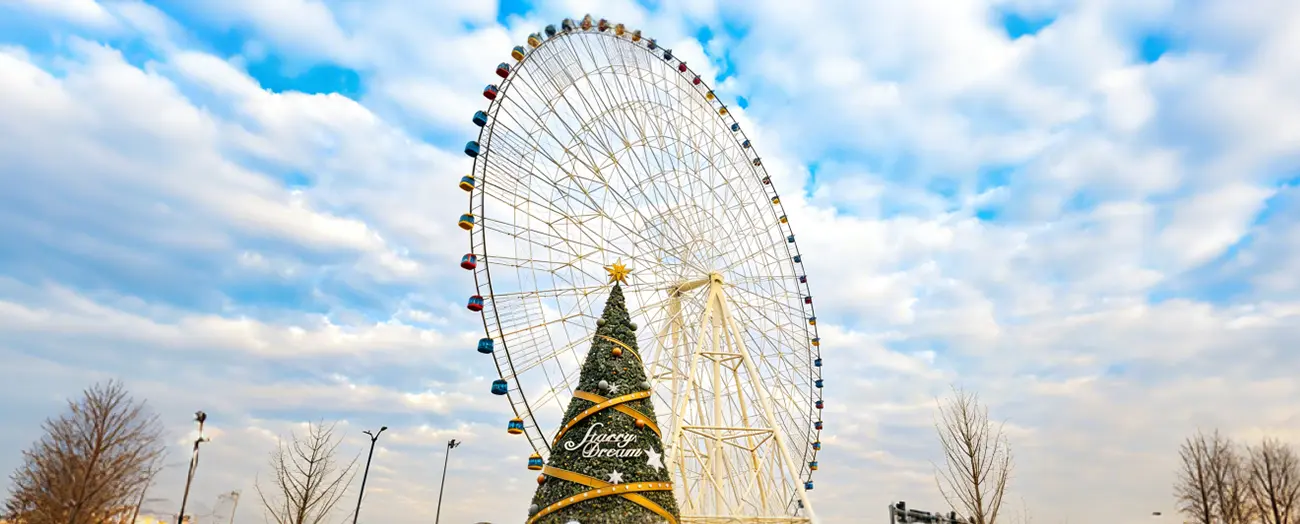
- Location: Nanchang, China
- Opening date: March 1, 2008
- Seating Capacity: 480 persons
- Height: 160 m
No.5 Bailang River Bridge Ferris Wheel
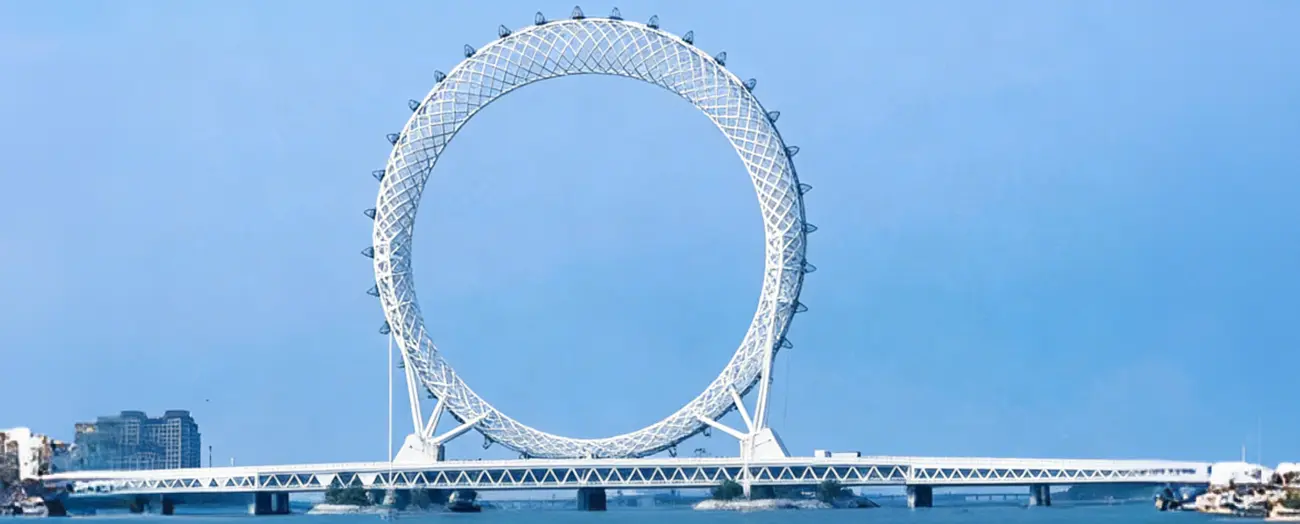
- Location: Weifang, China
- Opening date: 2017
- Seating Capacity: 360 persons
- Height: 145 m
No.6 Sun of Moscow
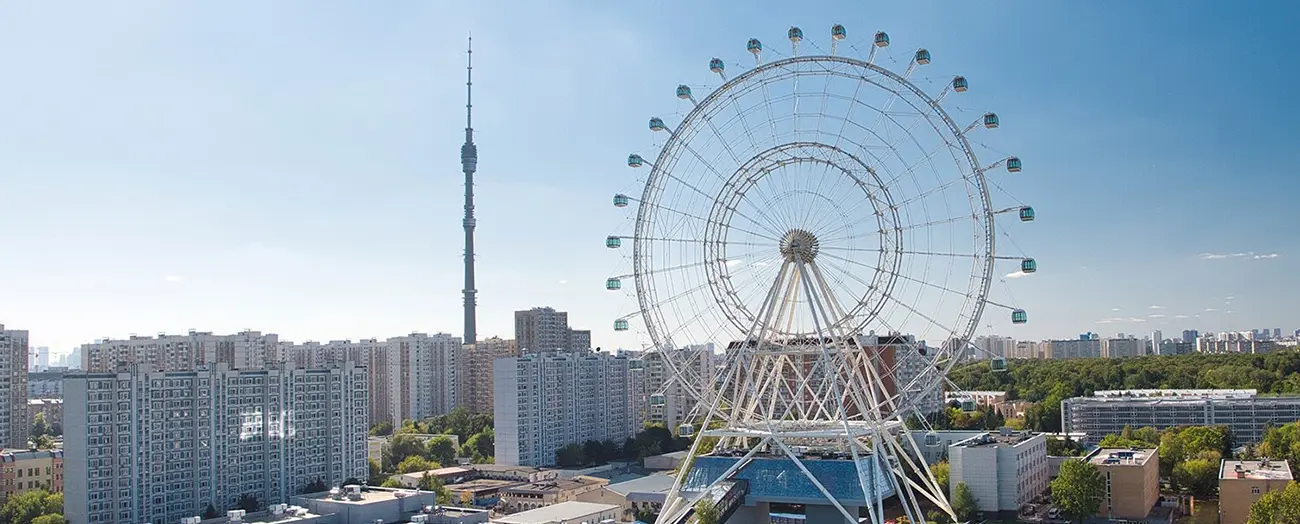
- Location: VDNKh, Moscow, Russia
- Opening date: September 10, 2022
- Seating Capacity: 450 persons
- Height: 140 m
No.7 London Eye
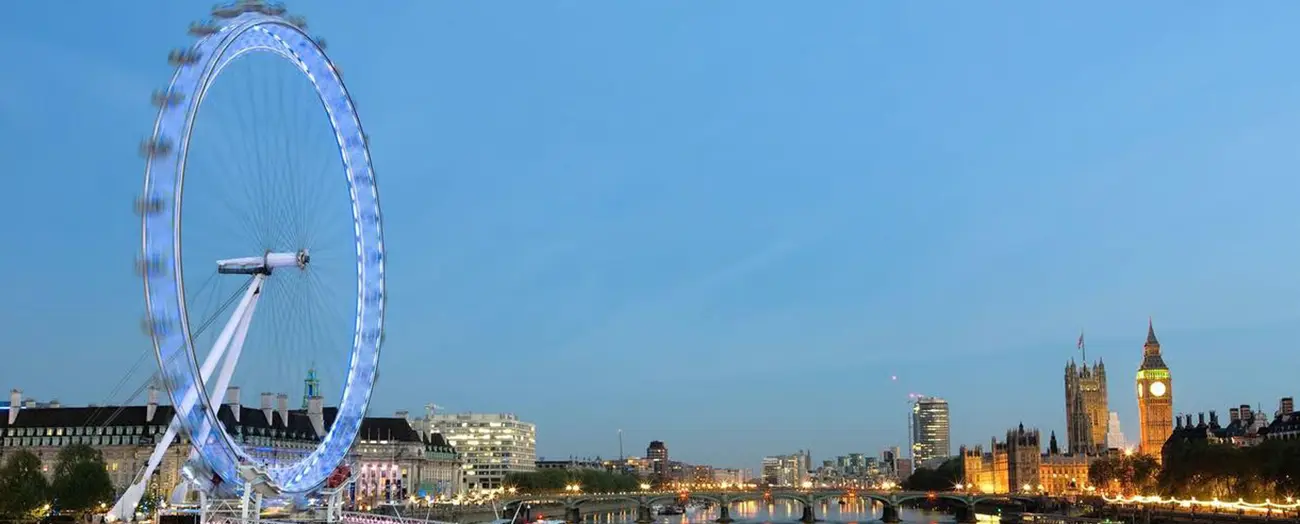
- Location: South Bank, London, UK
- Opening date: December 31, 1999
- Seating Capacity: 800 persons
- Height: 135 m
No.8 Bay Glory
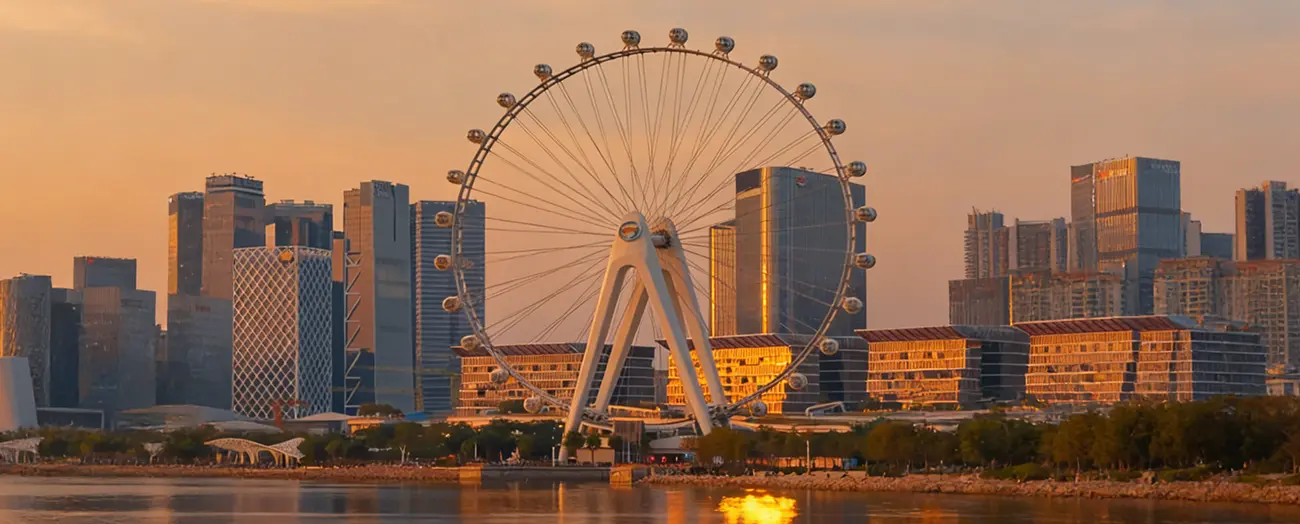
- Location: Qianhai Bay, China
- Opening date: April 18, 2021
- Seating Capacity: 700 persons
- Height: 128 m
No.9 Sky Dream
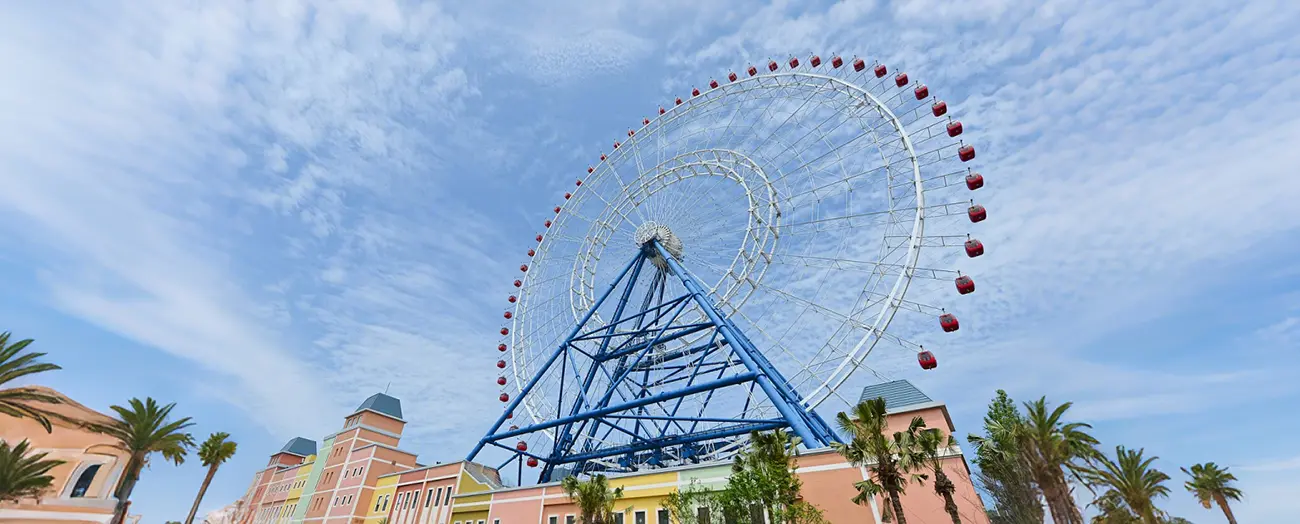
- Location: Lihpao Land, Taiwan, China
- Opening date: May 13, 2017
- Seating Capacity: 480 persons
- Height: 126 m
No.10 Redhorse Osaka Wheel
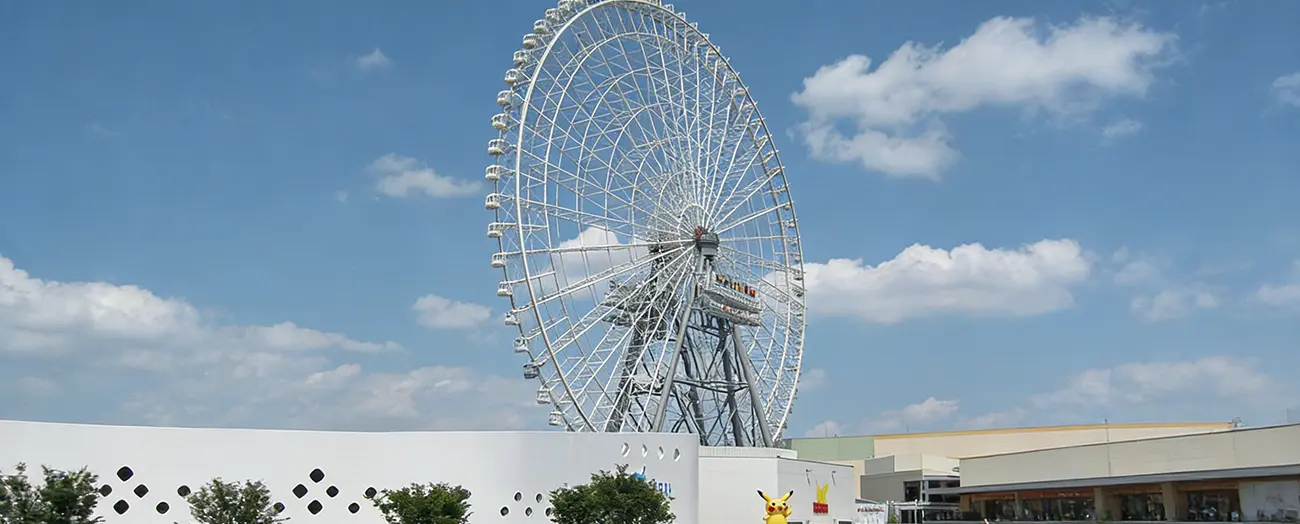
- Location: Suita, Osaka Prefecture, Japan
- Opening date: 2015
- Seating Capacity: 432 persons
- Height: 123 m
Future Development Trends of Ferris Wheels
Smart Operation
IoT and big data technologies are increasingly used in Ferris wheel management. Real-time monitoring of passenger flow, equipment status, energy use, and smart scheduling can improve efficiency and help optimize ticketing, maintenance, and visitor experience.
Themed and Immersive Experiences
Ferris wheels are being combined with cultural themes, interactive entertainment, night lighting, and special dining cabins. These features provide immersive experiences, extend visitor stay time, increase spending, and strengthen the project’s brand value.
Environmental Sustainability
New Ferris wheels use lightweight high-strength steel, low-energy drive systems, and renewable energy sources. Sustainable design meets city planning requirements and improves the project’s public image and long-term operational value.
Integrated and Multi-Functional Projects
Ferris wheels are increasingly integrated into urban complexes, waterfronts, and theme parks, creating a “sightseeing + entertainment + business” model. This multi-functional approach improves visitor experience, increases revenue, and enhances market competitiveness.
Ferris Wheel: A Smart Choice of Amusement Investment
As a highly recognizable landmark attraction, a Ferris wheel stands out for its excellent viewing experience, strong ability to attract steady visitor flow, and proven, reliable operation. It has become a core asset in cultural and tourism projects, combining visitor appeal, brand image, and long-term commercial value. If you are planning to invest in a Ferris wheel project, welcome contact Beston Rides for the customized project solutions.